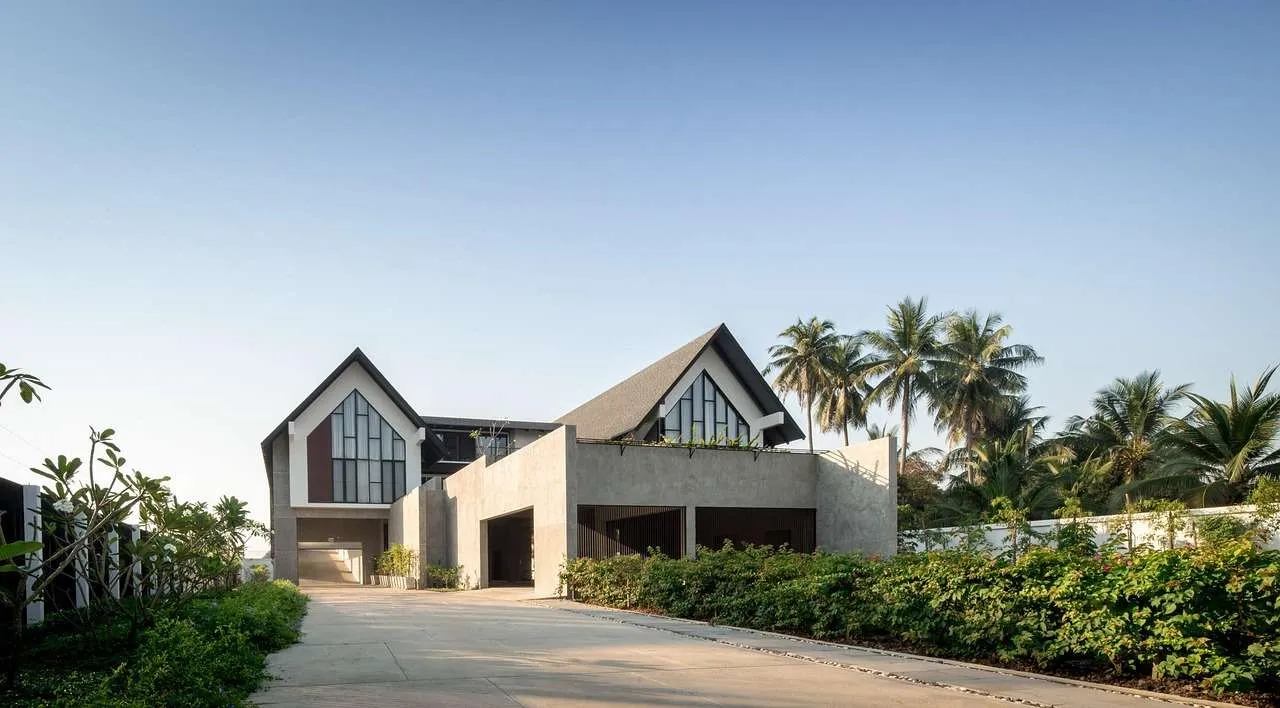
What is TPO Roofing?
TPO stands for thermoplastic polyolefin, a flexible, reflective roofing membrane used on flat and low-slope roofs. It is composed of a blend of polypropylene and ethylene-propylene rubber, and is heat-welded at seams for waterproof performance. Typical colors are white or light gray to maximize solar reflectivity, which helps reduce cooling costs. For best results, work with a licensed contractor who has proven experience in TPO installations and uses quality membranes.
Benefits of TPO Roofing
Energy efficiency
White TPO membranes reflect ultraviolet rays, reducing heat absorption and potentially lowering cooling loads by varying amounts depending on climate and building design.
Durability and repairability
Seams are heat-welded, creating strong waterproof seals. TPO roofs offer good puncture resistance and hail tolerance, with many systems backed by 15–20 year warranties when properly installed and maintained.
Cost and installation
Compared with PVC, TPO is typically less expensive and faster to install due to lighter membranes and simpler seam processes. However, the longevity depends on material quality and proper seam fusion conducted by trained crews.
Installation considerations
For reliable performance, hire a licensed contractor with verifiable TPO experience. Key installation steps include:
- Inspecting the roof deck and ensuring proper insulation
- Preparing a clean, dry surface
- Heat-welding seams with approved equipment
- Comprehensive leak testing and final inspection
Ask for and review references, project photos, and a written workmanship warranty. Inquire about membrane thickness (commonly 45, 60, or 80 mil) and the specific TPO brand used, as these factors influence durability and warranty terms.
Maintenance and lifespan
Regular maintenance extends a TPO roof’s life. Remove debris, inspect seams after severe weather, and clean gutters to prevent ponding. With proper care and climate-appropriate installation, TPO roofs typically last 15–20 years, with some systems lasting longer. Factors such as UV exposure, standing water, and physical damage can shorten service life.
Cost considerations
Initial TPO costs vary by thickness, insulation, roof size, and labor. Installed prices generally range from $5 to $8 per square foot, with variations based on region and roof complexity. Consider long-term energy savings and potential replacement costs when evaluating the total cost of ownership.
Comparison: TPO vs Other Membranes
| Factor | TPO | EPDM | PVC |
|---|---|---|---|
| Durability | Good puncture resistance; seams are weldable | Strong, long-lasting, but seams are glued or mechanically attached | |
| Cost | Lower to mid range | Typically lowest | Higher end |
| Energy efficiency | Excellent reflectivity when white | Depends on color; often darker | Excellent reflectivity and energy performance |
| Ease of installation | Faster seam welding; lighter material | Standard installation with skilled crew | Complex seam welding; higher skill required |
| Warranty options | Typically 15–20+ years | 10–20 years | 20+ years |
Choosing a contractor and EEAT considerations
For trusted results, select licensed roofing professionals with proven TPO installation experience. Verify manufacturer certifications, warranty transferability, and insurance coverage. A credible contractor will provide a detailed project plan, substrate assessment, and a written workmanship warranty. Request references and review past project photos. Demonstrating transparency, expertise, and accountability supports EEAT signals—experience, expertise, authority, and trust.
Conclusion
Conclusion, TPO roofing offers a cost-effective, reflective solution for flat and low-slope roofs. Its balance of energy efficiency, repairable seams, and competitive installation costs makes it a popular choice for commercial buildings and suitable residential projects. To maximize performance, choose quality materials, hire a qualified contractor, and commit to regular maintenance.
Summary: This article explains what TPO roofing is, outlines its key benefits and installation steps, compares it with other membranes, and provides practical guidance for selecting a contractor. With proper care and professional installation, a TPO roof can deliver durable performance and energy savings for years to come.