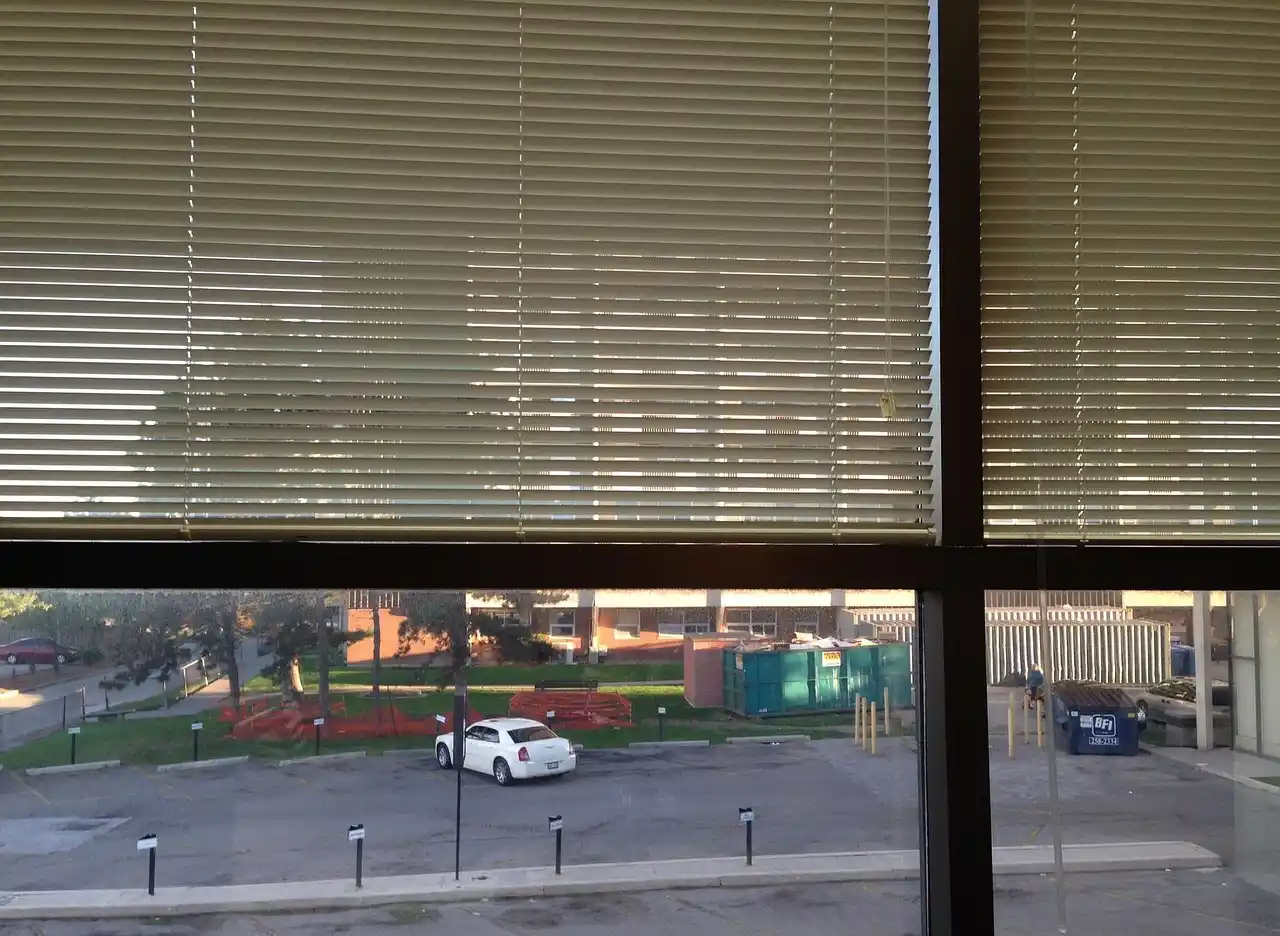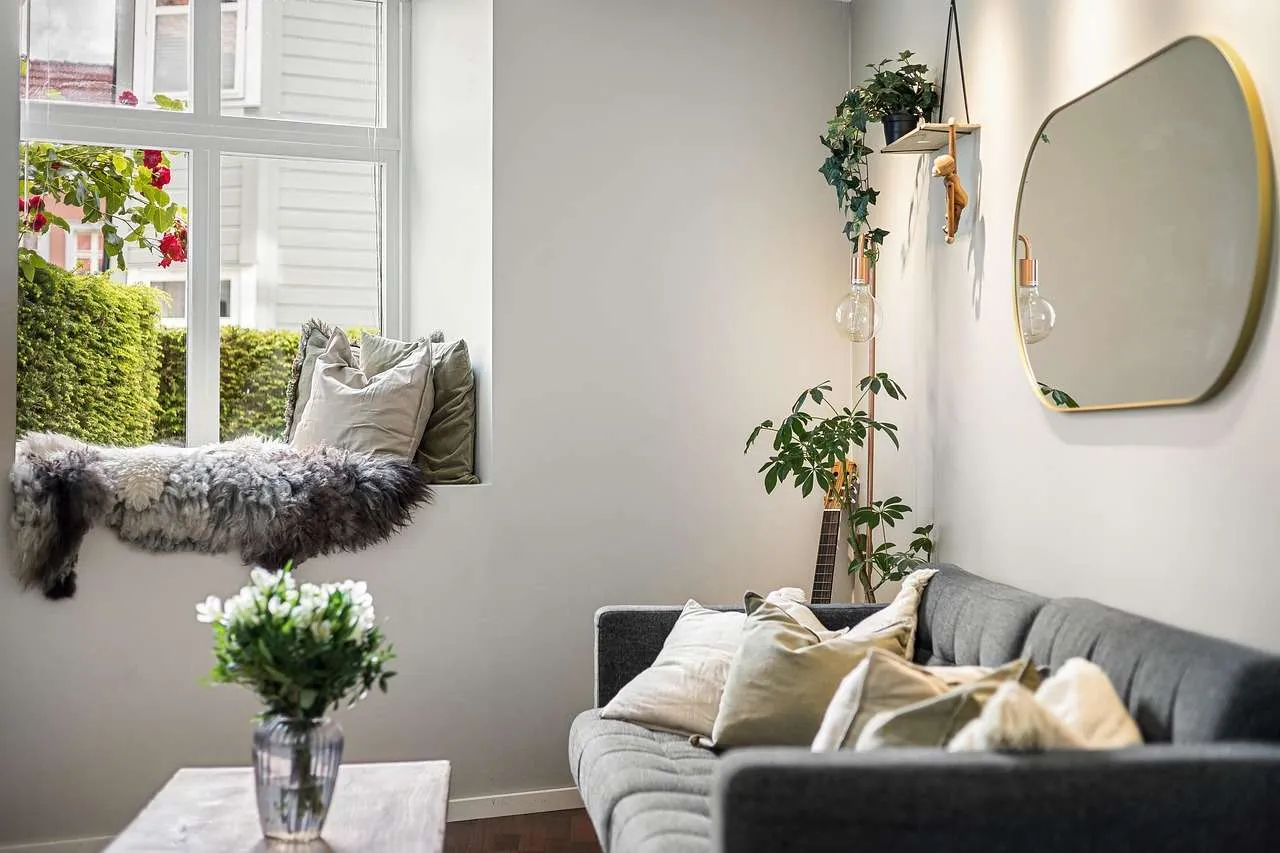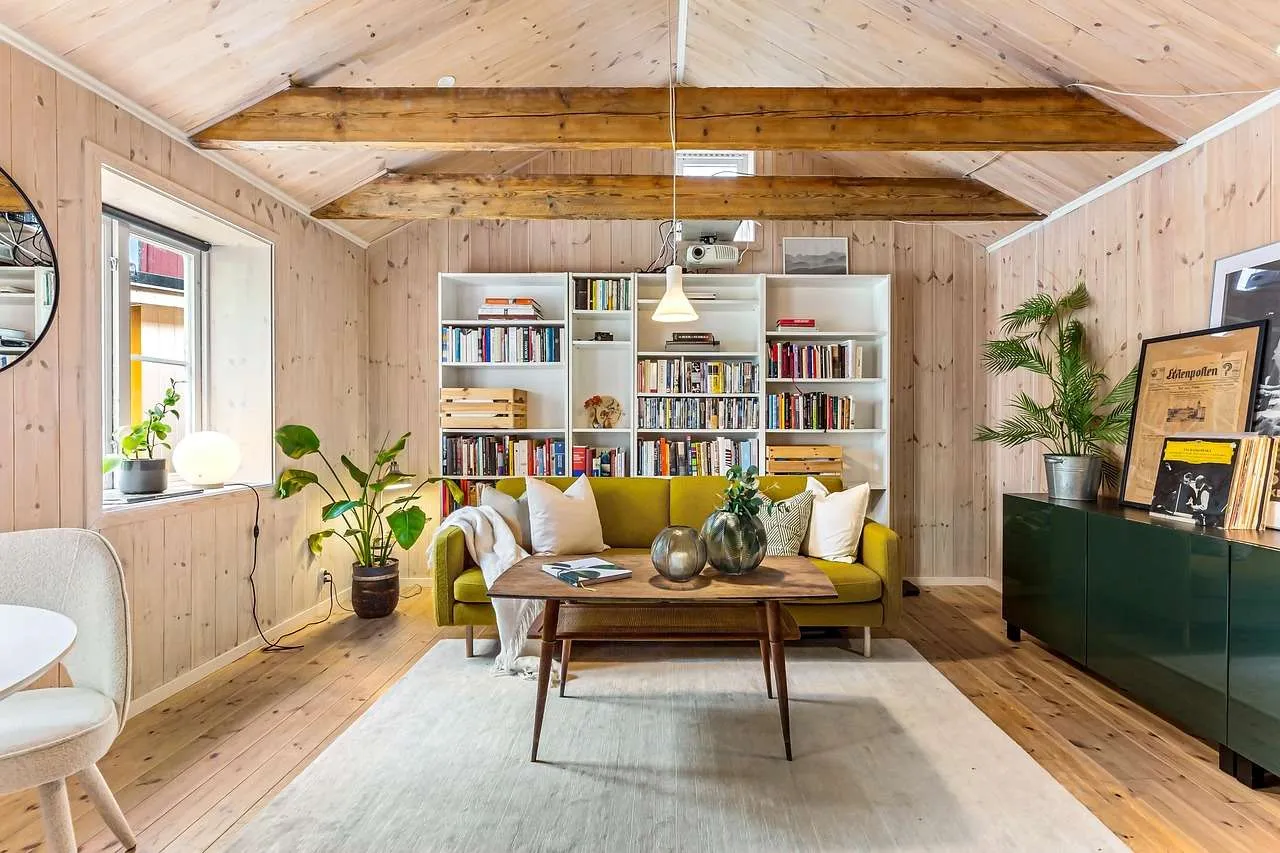
Home window tinting refers to applying a thin film to the interior or exterior surface of glass to reduce heat, block UV rays, and control glare. Residential films range from traditional dyed options to advanced ceramic and nano-ceramic formulations. When performed by a trained installer, window tinting preserves your view while delivering comfort, energy savings, and privacy. This article explains what home window tinting is, its benefits, how to choose the right film, costs, and tips to hire a reputable professional — all aligned with EEAT principles of expertise, authoritativeness, and trust.
What is Home Window Tinting?
In homes, window tinting is a retrofit solution that attaches a thin film to existing glass. The film reduces solar heat gain, filters UV light (protecting furnishings and skin), and lowers glare on screens and in living spaces. Films come in different technologies—dyed, metalized, ceramic, and nano-ceramic—each with distinct performance, clarity, and price. A professional installation ensures precise cuts, proper edge sealing, and long-lasting adhesion, helping you avoid bubbles and peeling that undermine comfort and curb appeal.
Benefits of Home Window Tinting
- Energy savings: By reducing infrared heat transfer, tinting lowers cooling loads in summer, which can translate into smaller air-conditioning bills.
- UV protection: Most window films block 99% or more of UV radiation, helping preserve flooring, fabric, and skin.
- Glare reduction and comfort: Lower glare improves TV and computer viewing and reduces eye strain during bright days.
- Privacy and security: A tinted film increases privacy from outside observers and, in some cases, adds a minor layer of shatter resistance by holding glass fragments together.
- Aesthetics and resale value: Films can give a uniform, modern look and may be a selling point for energy-conscious buyers.
Choosing the Right Window Film
Selecting the best film involves balancing heat rejection, visibility, and cost. For most homes, ceramic or nano-ceramic films offer strong heat rejection with excellent clarity and minimal signal interference for electronics. Dyed and metalized films create value by lowering upfront cost but may affect color accuracy, indoors-outside visibility, or reflectiveness.
Dyed Window Film
Low to moderate cost, good heat rejection at entry level, but can fade over time and may show edge lines after installation. Not ideal for homes with heavy sun exposure or desire for very high durability.
Metalized Window Film
Excellent heat rejection and durability, but metal layers can interfere with radio or Wi-Fi signals and may appear reflective on sunny days.
Ceramic Window Film
High performance, strong heat rejection, and superior clarity with minimal reflectivity. Typically more expensive, but often worth the investment for energy savings and long-term performance.
Nano-Ceramic Window Film
Top-tier option offering exceptional heat rejection, UV protection, and optically clear appearance. It has the highest price point but often the best overall value for energy efficiency and comfort.
Costs and Installation
Costs depend on window area, film type, and labor. Typical ranges are $3–$8 per square foot for the film itself, plus about $1–$3 per square foot for professional installation. In total, installed film may run roughly $4–$12 per square foot, with larger homes or premium films at the higher end. For a medium-sized house, you might expect a bill in the $800–$2,500 range. Always obtain multiple quotes, check for warranties (10–15 years is common), and confirm the installer uses quality film and a cleanroom-like installation process to minimize bubbles and peel.
Professional vs DIY
DIY tint kits are available, but successful results require a clean surface, careful surface preparation, and a steady hand. Professional installers provide precise cuts, flawless finishes, warranty protection, and faster turnaround, especially for larger homes or multi-room projects. When EEAT is a priority, hiring a licensed, insured professional with training and verifiable references is the safer path.
Film Type Comparison
| Film Type | Heat Rejection | UV Blocking | Glare Reduction | Visibility | Cost |
|---|---|---|---|---|---|
| Dyed | Moderate | High | Moderate | Good | Low |
| Metalized | High | High | High glare | Moderate | Medium |
| Ceramic | High | Very High | Low glare | Excellent | High |
| Nano-Ceramic | Very High | Very High | Low glare | Excellent | Very High |
Implementation best practices include selecting a reputable installer, ensuring the film is properly cured before cleaning, and following manufacturer maintenance guidelines. Proper handling extends the film's life and protects interior furnishings over time.
Conclusion, while home window tinting costs vary, the long-term benefits in energy savings, UV protection, and privacy can justify the investment, especially when you choose the right film and a trusted installer.
Summary: Home window tinting offers tangible energy savings, improved comfort, UV protection, and privacy. By selecting an appropriate film type, evaluating costs, and hiring a qualified installer, homeowners can maximize value and enjoy a more efficient living environment.