What is Home Window Tinting?
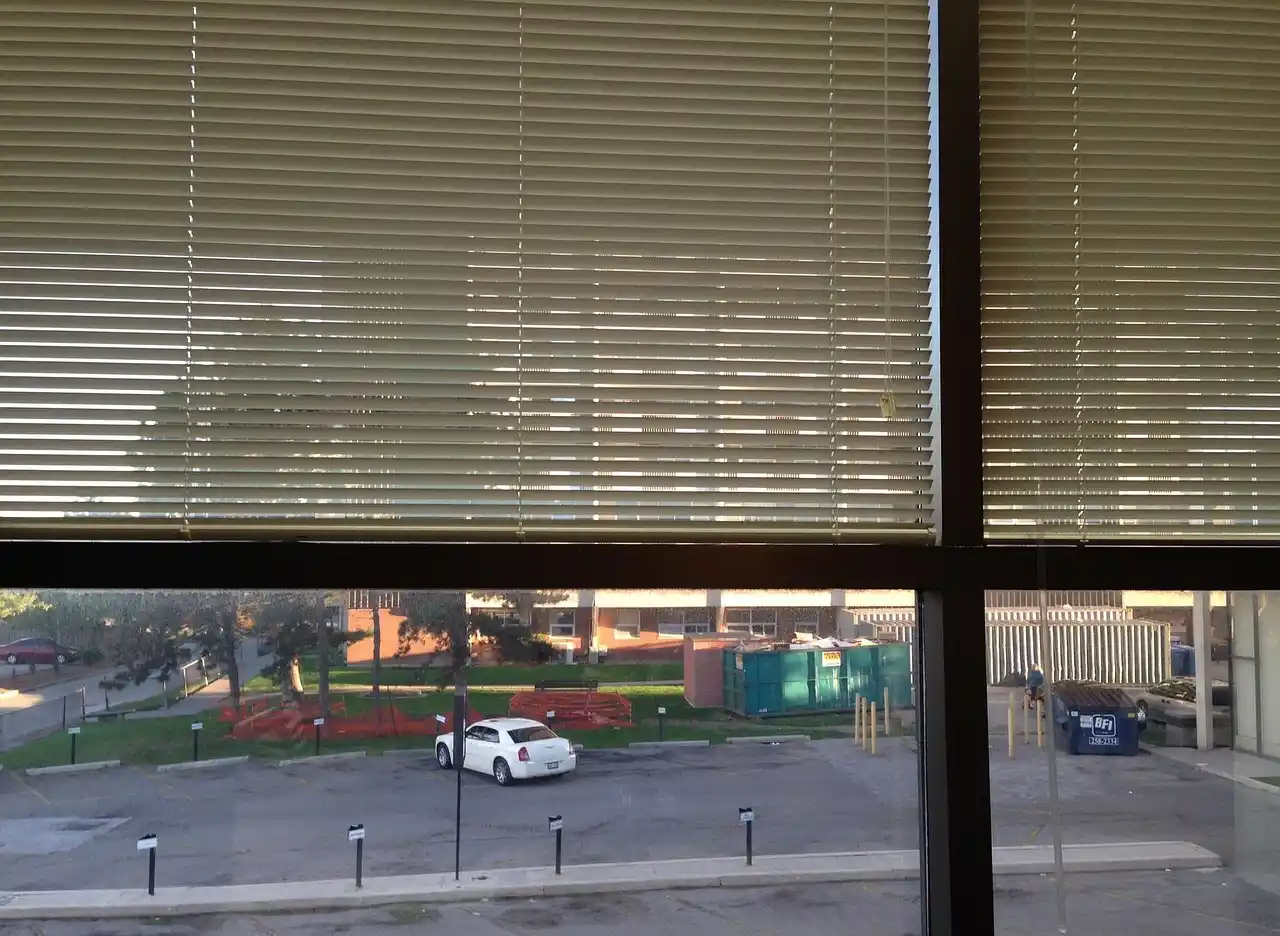
Home window tinting uses a thin film applied to the interior surface of glass to enhance comfort, privacy, and energy efficiency. The film can block UV rays, reduce glare, and reflect or absorb heat, helping maintain a steadier indoor temperature. A professional installation ensures the film adheres smoothly, remains bubble-free, and lasts for years, even in regions with intense sunlight.
Why Homeowners Search for "home window tinting near me"
Locally available installers offer faster service, on-site measurements, and warranties tailored to your climate. Working with a nearby pro helps you navigate local building codes, HOA rules, and the specific sun patterns of your home. Local technicians also provide site visits to assess glass type, frame condition, and optimal film options for your rooms.
Benefits of Window Tinting
- Energy efficiency: Reduces solar heat gain in summer and can complement insulation, lowering cooling costs.
- UV protection: Most films block up to 99% of ultraviolet rays, helping protect furniture and flooring from fading.
- Glare reduction: Makes screens and dashboards easier to view, improving comfort in living spaces and home offices.
- Privacy and aesthetics: Depending on the film, daytime privacy can be enhanced without sacrificing natural light or views.
- Glass protection: Some films add shatter resistance, providing an added safety feature during storms or break-ins.
Common Window Film Options
Choosing the right film depends on your goals, budget, and climate. Here are the main categories homeowners consider:
- Dyed tint: Inexpensive and good for privacy, but can fade over time and offers moderate heat control.
- Metalized tint: Excellent heat rejection and durability, yet can interfere with electronics and cause a reflective look.
- Ceramic tint: Superior performance with high UV protection, strong heat reduction, and non-reflective appearance; typically higher in cost but long-lasting.
- Hybrid tint: A blend of dyed and ceramic or metalized layers, balancing cost and performance.
Choosing the Right Tint for Your Home
To select the best film, consider sun exposure, room usage, and privacy needs. Important factors include visible light transmission (VLT), ultraviolet (UV) rejection, heat rejection, and the film’s impact on natural daylight. For homes with large southern or western windows, a high-performance ceramic or hybrid film is often the most cost-effective long-term choice, balancing glare control, energy savings, and clarity.
What to Look For in a Local Tint Installer
When evaluating neighbors and nearby providers, prioritize credibility and reliability. Look for:
- Licensed and insured technicians with up-to-date training and certifications
- Use of manufacturer-approved films with solid warranties
- On-site measurements, precise cut patterns, and post-installation inspection
- References, portfolio photos, and transparent pricing
- IWFA or other industry certifications where available
Cost Considerations and ROI
Prices vary by film type, glass size, and labor, but typical professional installation ranges fall between $5 and $12 per square foot, with high-end ceramic films on the upper end. While upfront costs can be higher for premium films, most homes see meaningful savings on cooling bills and furniture protection that pay back over time. Always request a written estimate that includes film type, warranty details, and expected lifespan.
Comparison of Popular Tint Options
| Tint Type | UV Rejection | Heat Reduction | Privacy | Typical Cost per sq ft | Notes |
|---|---|---|---|---|---|
| Dyed Tint | Good | Moderate | Low to Moderate | $5 - $8 | Low cost, fades over time, may need replacement |
| Metalized Tint | Very High | High | Moderate | $6 - $9 | Excellent heat control but can affect electronics and appearance |
| Ceramic Tint | Excellent | Excellent | High | $8 - $12 | Best overall performance and clarity, higher upfront cost |
| Hybrid Tint | Good | Good to Very Good | Moderate to High | $7 - $11 | Balanced for cost and performance |
Installation Process
A typical project follows clear steps to ensure quality results. First, a consultation establishes goals and confirms film options. Next, precise measurements are taken and a quote is issued. The installer prepares the glass by cleaning and removing old films if needed. The film is then carefully cut and applied with a squeegee to avoid bubbles. After application, the film is trimmed, the edges are sealed, and the surface is allowed to cure. A final inspection confirms alignment, clarity, and warranty details.
Maintenance and Longevity
Maintaining tinted film is simple. Clean with non-ammonia, non-abrasive cleaners and a soft cloth. Avoid sharp tools near edges and promptly address any air bubbles or peeling with the installer’s warranty. High-quality ceramic or hybrid films typically retain performance for 10 to 15 years or longer with proper care.
Installation Timeline and What Affects It
Most residential jobs can be completed in one day, depending on window count and room size. Factors affecting timeline include window accessibility, frame condition, and whether old film must be removed. A reputable local installer will provide a schedule before work begins and keep you informed if any delays arise.
Conclusion, choosing the right home window tinting near me involves evaluating the film type, understanding local service options, and selecting a qualified installer with a solid warranty. By balancing cost, performance, and longevity, you can enjoy improved comfort, protection from UV rays, and enhanced privacy for years to come. Summary, these considerations help you make an informed decision and secure a trustworthy, locally based installation that aligns with your climate and lifestyle.